Why Open World Games are Redefining the Future of City Building Games
In the ever-evolving landscape of gaming, open world games have emerged as a powerful force, reshaping numerous genres, including city building games. But what is it about these expansive, immersive environments that captivate so many players? Let’s dive into the details and explore how open world games are paving a new path for urban development simulations.
The Allure of Open World Games
Open world games provide players with vast, explorable environments filled with dynamic elements. This freedom of exploration is one of the key attractions for gamers. Unlike traditional linear games, open world titles like "The Legend of Zelda: Breath of the Wild" or "GTA V" allow players to shape their experiences, leading to unparalleled engagement. This design philosophy creates a playground for creativity, where players can build, experiment, and discover at their own pace.
City Building Games: A New Twist
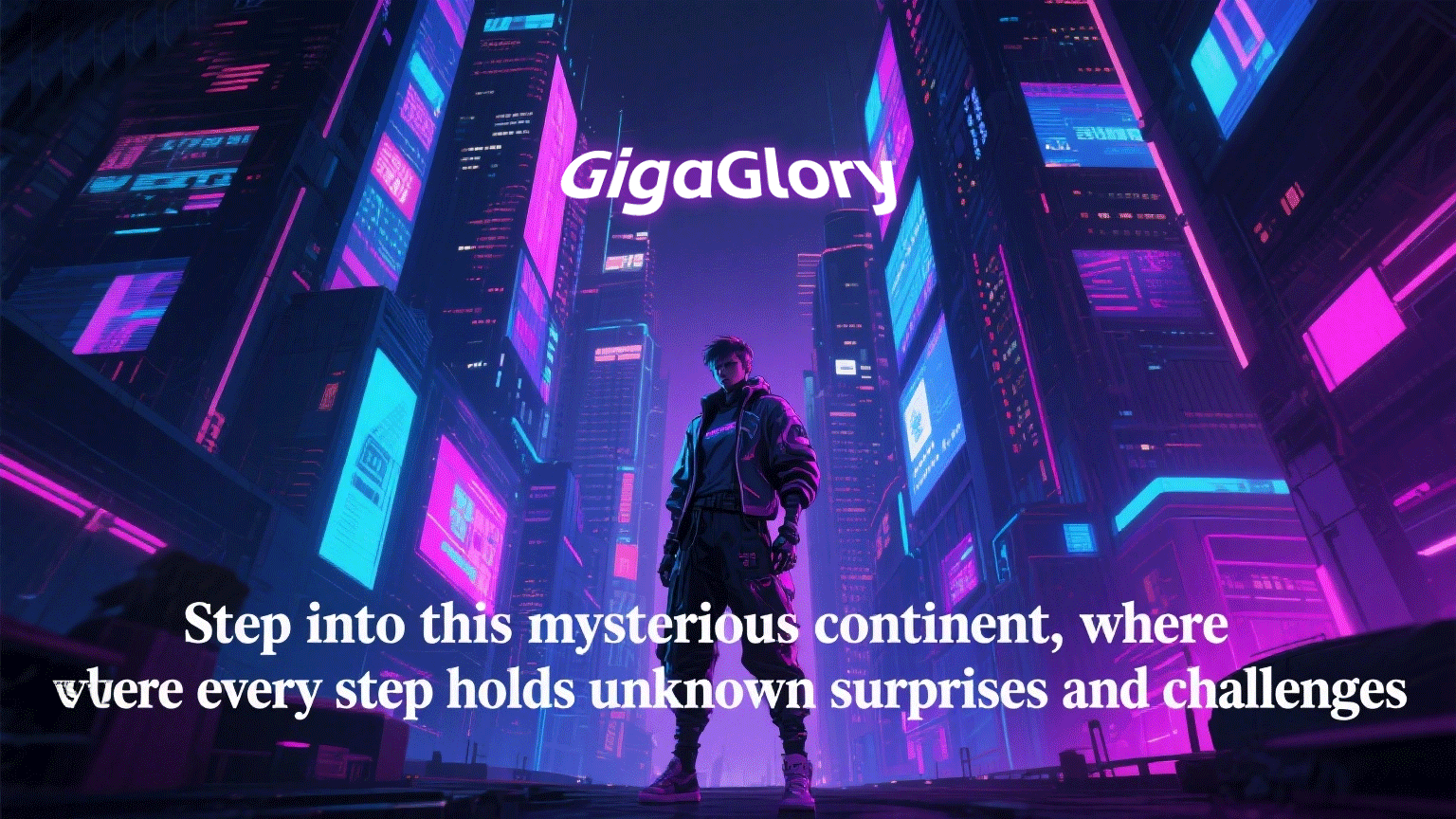
Now, when we take this concept and apply it to city building games, something magical happens. Imagine a game where not only can you build cities, but the cities grow and evolve around you, reflecting your choices and interactions. The realities of city management come alive in a way that traditional city building games often miss. Games like "Cities: Skylines" have introduced elements of open world gameplay, allowing players to design their cities within larger, more dynamic environments.
Key Features of Open World City Building Games
As the fusion of these genres progresses, several key features are becoming apparent:
- Enhanced Player Agency: Players can influence the world beyond simple construction, impacting culture, economy, and even social aspects.
- Dynamic Environments: Changing weather, day-night cycles, and evolving ecosystems add layers of complexity to city management.
- Interactivity: Open world city building games offer rich interactions with NPCs (Non-Playable Characters) and other players, enhancing immersion.
- Resource Management: Players must navigate resource distribution in a more realistic, interconnected manner.
- Community Impact: Cities reflect the player's actions more deeply, providing a sense of authenticity to urban development.
Why Players Prefer Open World City Building Games
The preference for open world city building games stems from the innate human desire for creativity and exploration. Players feel a real sense of ownership over their creations, leading to a more rewarding experience. The social aspect adds another layer; collaborating or competing with friends in these massive environments develops community and shared experiences. It's no longer just about building; it’s about living in the world you've created.
Challenges Faced in Design and Gameplay
Despite their many advantages, open world games also come with challenges:
| Challenge | Impact |
|---|---|
| Complexity of Design | Creating an engaging world requires a balanced interaction between freedom and guidance for players. |
| Technical Limitations | High resource demands can lead to crashes, particularly in less robust games (like issues with "mw2 private match crashing"). |
| Player Retention | Maintaining player interest over time can be difficult without regular updates or new content. |
The Future of Offline RPG Games
As we look ahead, the integration of open world concepts is not just limited to online experiences. There’s a growing trend towards offline RPG games for free that leverage these mechanics. Gamers can enjoy expansive worlds and deep narratives without an online connection. This accessibility might ultimately drive the adoption of open world elements across a range of genres, contributing to an enriched gaming experience.
Conclusion: The New Frontier
In summary, the rise of open world games is revolutionizing city building games by offering players a canvas on which they can freely paint their urban visions. The embrace of dynamic environments, player agency, and rich storytelling paves the way for a future ripe with possibilities. As developers continue to experiment with these concepts, we can expect city building games to return to their roots of creativity and community, appealing to both old fans and new players alike. As gaming continues to evolve, the fusion of these genres will undoubtedly carve a new niche in the gaming world that is exciting and full of potential.